Discover the Advantages of Shopping at a Meat Market: Freshness and High Quality Explained
Shopping at a meat market presents distinct benefits, specifically concerning freshness and high quality. Neighborhood sourcing plays a necessary role in guaranteeing that meat maintains its nutrients and vitamins. Furthermore, recognizing meat grading allows customers to make educated selections about cuts. Additionally, well-informed butchers offer useful insights tailored to specific preferences. These components integrated create an engaging case for choosing meat markets over conventional food store. Yet, there is more to explore concerning the general experience they offer
The Freshness Aspect: Why Local Sourcing Issues
Consumers commonly seek comfort in their shopping behaviors, the benefits of local sourcing at meat markets can not be overstated. Local meat markets usually offer fresher items compared to huge supermarkets, as the meat is usually sourced from neighboring farms. This closeness minimizes transportation time, causing less time from farm to table. The quality of in your area sourced meat not just improves flavor yet likewise sustains better nourishment, as the meat maintains more nutrients and vitamins.
Furthermore, regional sourcing cultivates a more detailed connection in between manufacturers and customers, promoting transparency in the food supply chain. Buyers can ask concerning the farming practices, pet welfare, and handling approaches used by local providers. This connection frequently causes a greater sense of count on the top quality of the meat. Inevitably, choosing regional meat markets enables customers to appreciate fresher products while sustaining their community's economic climate and sustainable techniques.
Quality Cuts: Recognizing Meat Grades and Option


When choosing meat, consumers should additionally consider the cut kind-- ranging from tender cuts like filet mignon to harder cuts like brisket, which might need slow food preparation techniques. In addition to grading, quality plays a significant duty. A trustworthy meat market often provides detailed information about sourcing and dealing with practices, allowing customers to choose cuts that straighten with their preferences. By recognizing these aspects, customers can with confidence select high-quality meats that enhance their culinary experiences.
Personalized Solution: Structure Relationships With Butchers
Constructing a rapport with butchers can greatly improve the purchasing experience at a meat market. When customers develop a connection with their butcher, they take advantage of customized service that expands beyond plain deals. Experienced butchers are eager to share insights regarding cuts, food preparation methods, and prep work methods customized to specific choices.
This connection enables customers to receive recommendations for specific cuts based on their requirements, whether for an unique event or a daily meal. Moreover, a familiar butcher is a lot more likely to remember previous purchases and choices, making future check outs extra enjoyable and effective.
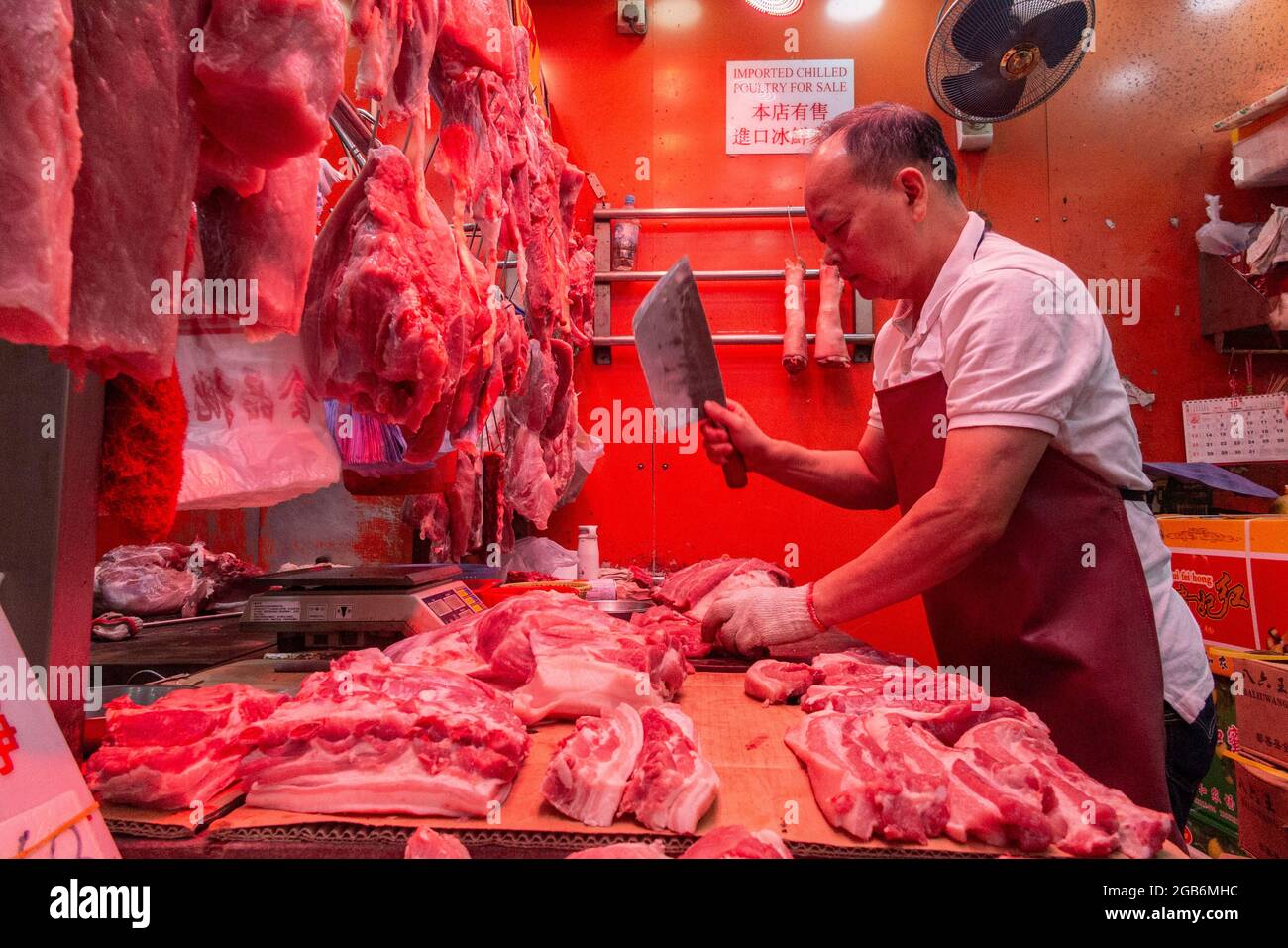
Selection and Specialty: Discovering Unique Meat Options
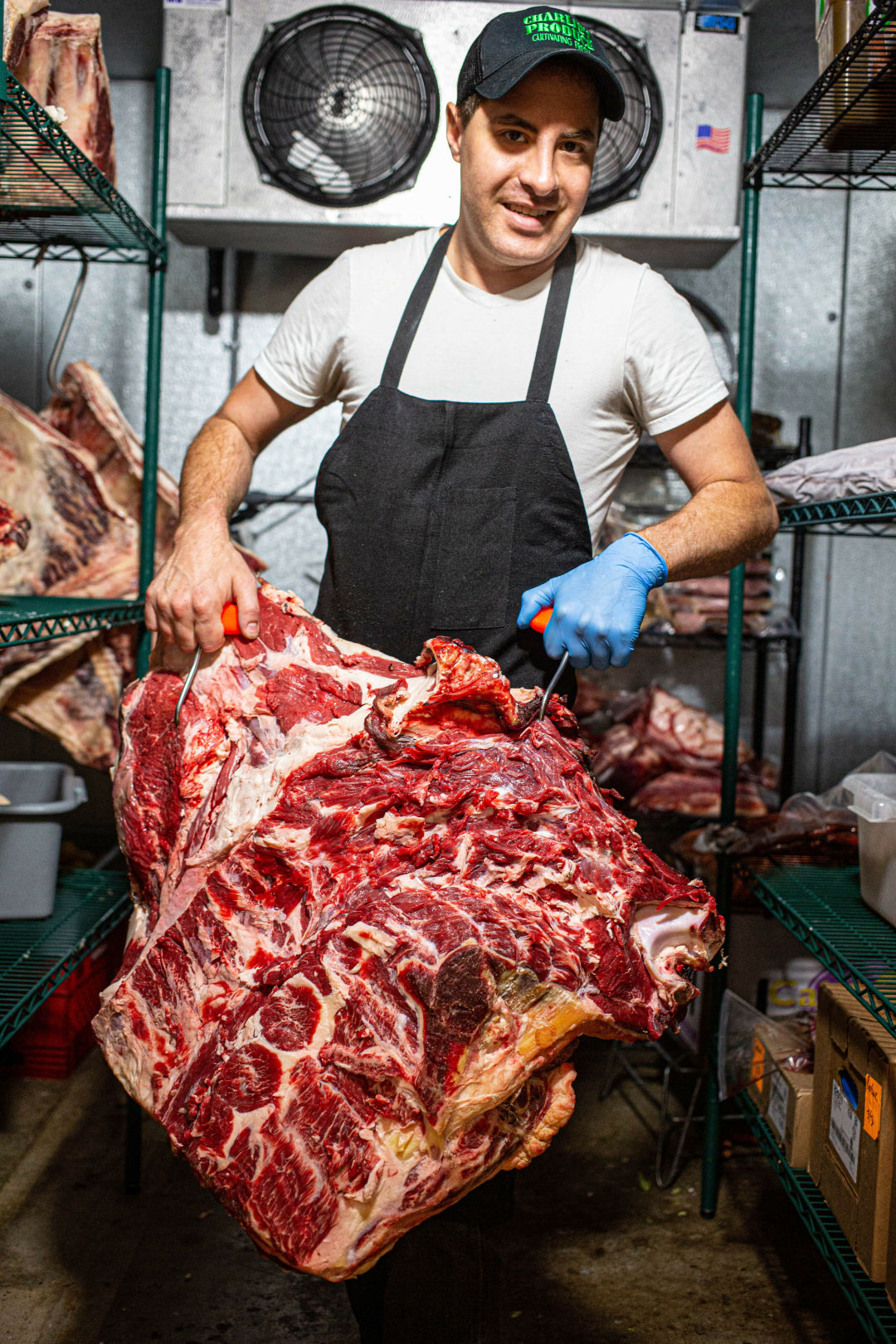
Furthermore, customers might come across distinct local selections, such as heritage types and specialty chicken, which offer distinctive flavors and appearances. Some meat markets also give personalized cuts customized to specific recipes or cooking techniques, improving the total shopping experience. The educated butchers commonly share recipes and cooking tips, even more elevating the value of the distinct offerings. In general, the variety discovered in meat markets not just expands culinary horizons but also introduces customers to premium, fresh items that can boost any type of meal.
Supporting Regional Economic Situations: The Area Effect of Meat Markets
Meat markets play a crucial role in sustaining local economic situations by cultivating partnerships in between customers and regional producers. They function as considerable centers that attach local farmers and herdsmans with neighborhood participants, guaranteeing that money flows within the location. This technique not only strengthens the regional agricultural industry however additionally advertises lasting farming practices, as consumers come to be much more aware of where their food stems.
On top of that, meat markets frequently focus on sourcing from local distributors, which minimizes transportation costs and environmental effect (bagley's meat market). This focus on regional products creates jobs within the area, from farming to retail, adding to general financial security. By patronizing these markets, consumers assist maintain little services, which are essential for the vibrancy of neighborhood economic climates. Eventually, shopping at meat markets sustains a healthy ecosystem that profits both customers and manufacturers, cultivating a feeling of community while enhancing the local economic situation
Regularly Asked Questions
What Are the Typical Hours of Procedure for Meat Markets?
Normal hours of procedure for meat markets differ, yet most open in between 7 AM and 9 AM, shutting about 6 PM to 8 PM. Some might have expanded hours on weekend breaks or unique vacation timetables.
Do Meat Markets Offer Distribution or Online Ordering Options?
Several meat markets do use distribution and online getting choices, though accessibility might differ by area. Customers must visit this site inspect private market web sites or contact them directly to confirm details solutions and plans offered.
How Can I Discover a Local Meat Market in My Area?
To discover a neighborhood meat market, one can use on the internet internet search engine, inspect regional directory sites, or ask neighborhood members for recommendations. Visiting farmers' markets might visit this site likewise result in uncovering neighboring meat suppliers.
Are There Any Type Of Subscription or Commitment Programs Available for Constant Shoppers?
Many regional meat markets provide subscription or loyalty programs to regular consumers - meat stores near me. These programs generally give discounts, special deals, and unique promotions, encouraging consumers to return while boosting their shopping experience and fostering area connections
What Repayment Approaches Are Accepted at Meat Markets?
Most meat markets accept various repayment methods, consisting of cash, bank card, and debit cards. Some may additionally provide mobile payment alternatives, making certain comfort for clients while accommodating diverse choices for purchases during their purchasing experiences.
Local meat markets commonly supply fresher products contrasted to big supermarkets, as the meat is frequently sourced from neighboring farms. Understanding meat grades and option is necessary for customers looking to make enlightened options at meat markets. Meat grading systems, such as those established by the USDA, classify meat based on factors like maturation, shade, and marbling. What special meat options can one find at a meat market? To locate a local meat market, one can make use of on-line search engines, check local directories, or ask area participants for suggestions.